Equipment manufacturers face critical design pathway decisions early in product development that profoundly affect development timelines, manufacturing costs, equipment performance, and long-term competitiveness. Among the most consequential decisions: whether to design around standard, catalog rotation components or invest in custom-engineered solutions tailored specifically to equipment requirements.
This decision carries significant implications. Standard components promise immediate availability, predictable costs, and proven reliability. They enable rapid prototyping and minimize development risk. Custom components offer optimized performance, compact integration, and potential competitive differentiation—but at the cost of engineering investment, longer lead times, and development complexity.
The traditional framing presents this as a binary choice: standard or custom. Equipment engineers reluctantly accept compromises inherent in standard components, or they commit to fully custom solutions accepting the associated costs and timelines. This false dichotomy forces suboptimal decisions—either accepting performance limitations from standard parts or incurring unnecessary custom engineering expenses.
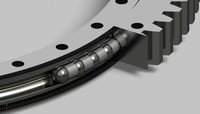
A more sophisticated approach recognizes that rotation systems comprise multiple elements—slewing bearings providing load support and rotational capability, hydraulic swivels transferring fluid across rotating interfaces, slip rings enabling electrical connections through rotation, and mounting provisions integrating components into equipment structures. These elements don't all require the same design approach. Strategic hybridization—combining standard components where they suffice with custom elements where they deliver disproportionate value—often provides optimal technical and economic outcomes.
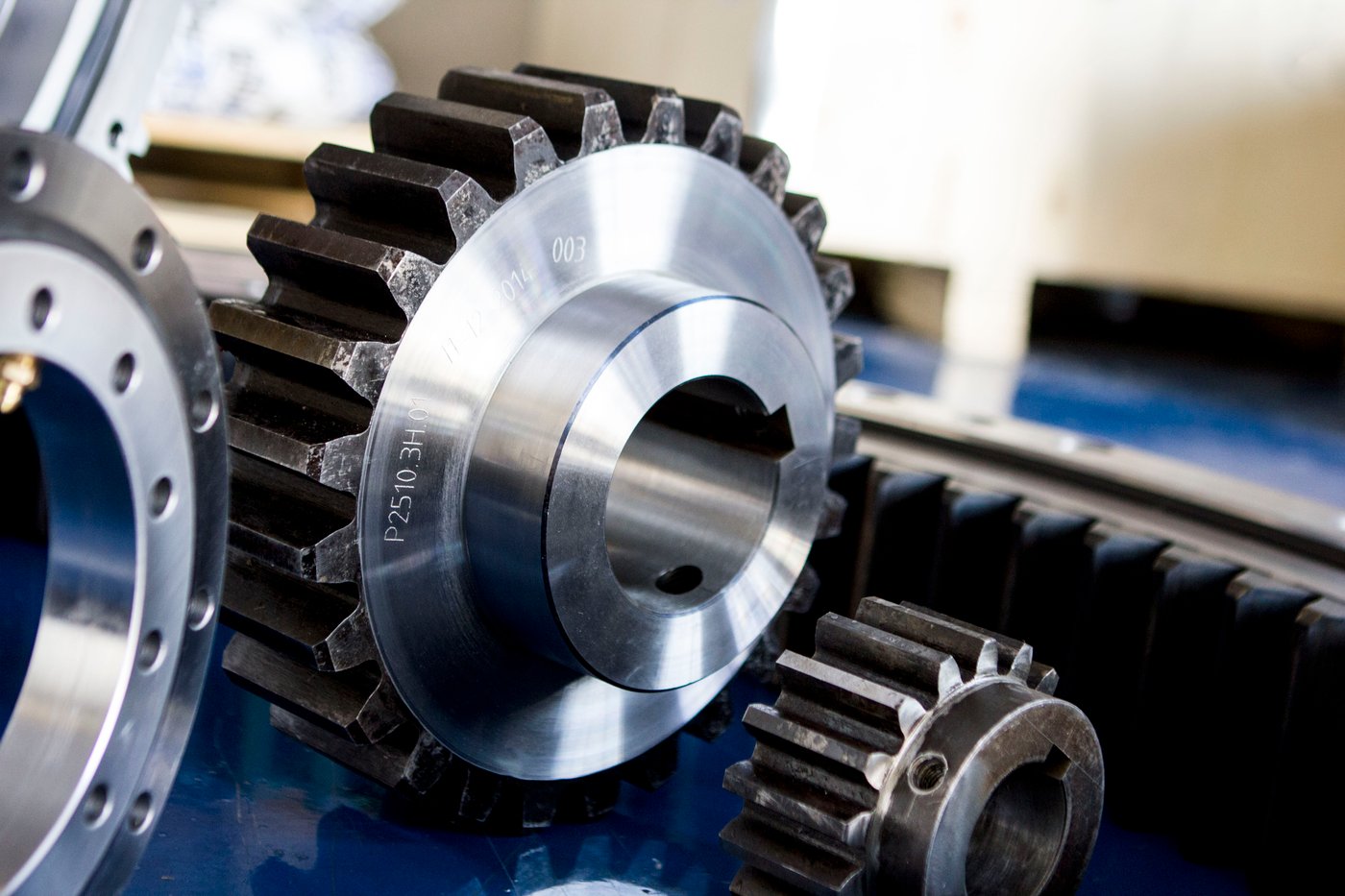
The partnership between SlewPro and United Equipment Accessories enables precisely this hybrid approach. SlewPro's comprehensive range ofstandard slewing bearings and drives addresses most load-bearing and rotational requirements without custom engineering. UEA's expertise in custom hydraulic swivels and slip rings delivers application-specific motion transfer solutions. Together, they provide rotation systems that balance standardization benefits with custom optimization where it matters most.
This comprehensive guide examines when standard rotation components suffice and when custom engineering delivers value, how to evaluate the custom-versus-standard decision systematically, the hybrid approach combining standard bearings with custom motion-transfer elements, real-world applications demonstrating optimal pathway selection, and implementation strategies for equipment manufacturers navigating these design decisions.