
Automation integrators are under constant pressure to deliver machines that are faster, more reliable, and easier to maintain. Whether you’re building robotic welding cells, rotary assembly stations, inspection systems, or palletizing equipment, one challenge shows up again and again: how to manage rotation while transferring power, signals, and fluids through the axis.
Many automation systems require a rotating interface that must simultaneously handle:
- Structural loads from the workpiece or tooling
- Electrical power and signals for sensors, motors, and controls
- Hydraulic or pneumatic flow for clamping or tooling
Traditionally, engineers solve these problems by sourcing multiple components from different suppliers:
- Slewing bearing or rotary drive
- Electrical slip ring
- Hydraulic or pneumatic rotary union
While this approach works, it often introduces integration challenges that consume engineering time and create risk during machine commissioning.
A better approach is designing the rotary axis as a complete integrated motion solution.
Rotary Integration Challenges in Automation Systems
Consider a typical robotic welding or automated assembly cell with a rotary fixture.
The rotary axis must support:
- High axial and radial loads
- Significant moment loads from tooling
- Continuous rotation
- Multiple electrical circuits
- Hydraulic lines for clamps or tooling
A typical architecture might look like this:
Tooling / Fixture
↓
Hydraulic clamps
↓
Rotary union (fluid transfer)
↓
Slip ring (power + signals)
↓
Center bore
↓
Slew bearing or slew drive
↓
Gear drive
↓
Machine frame
Each component must fit within a tight envelope while remaining aligned and serviceable. When these elements are sourced separately, integrators must solve several design challenges:
- Matching bore sizes and mounting interfaces
- Ensuring adequate clearance for wiring and fluid routing
- Maintaining structural stiffness and alignment
- Coordinating installation across multiple vendors
These integration tasks add engineering time and introduce potential failure points.
One Integrated Rotary Solution: Bearings, Slip Rings, and Rotary Unions
At SlewPro, we work with automation OEMs and integrators to simplify this challenge by combining three critical technologies into a single engineered solution:
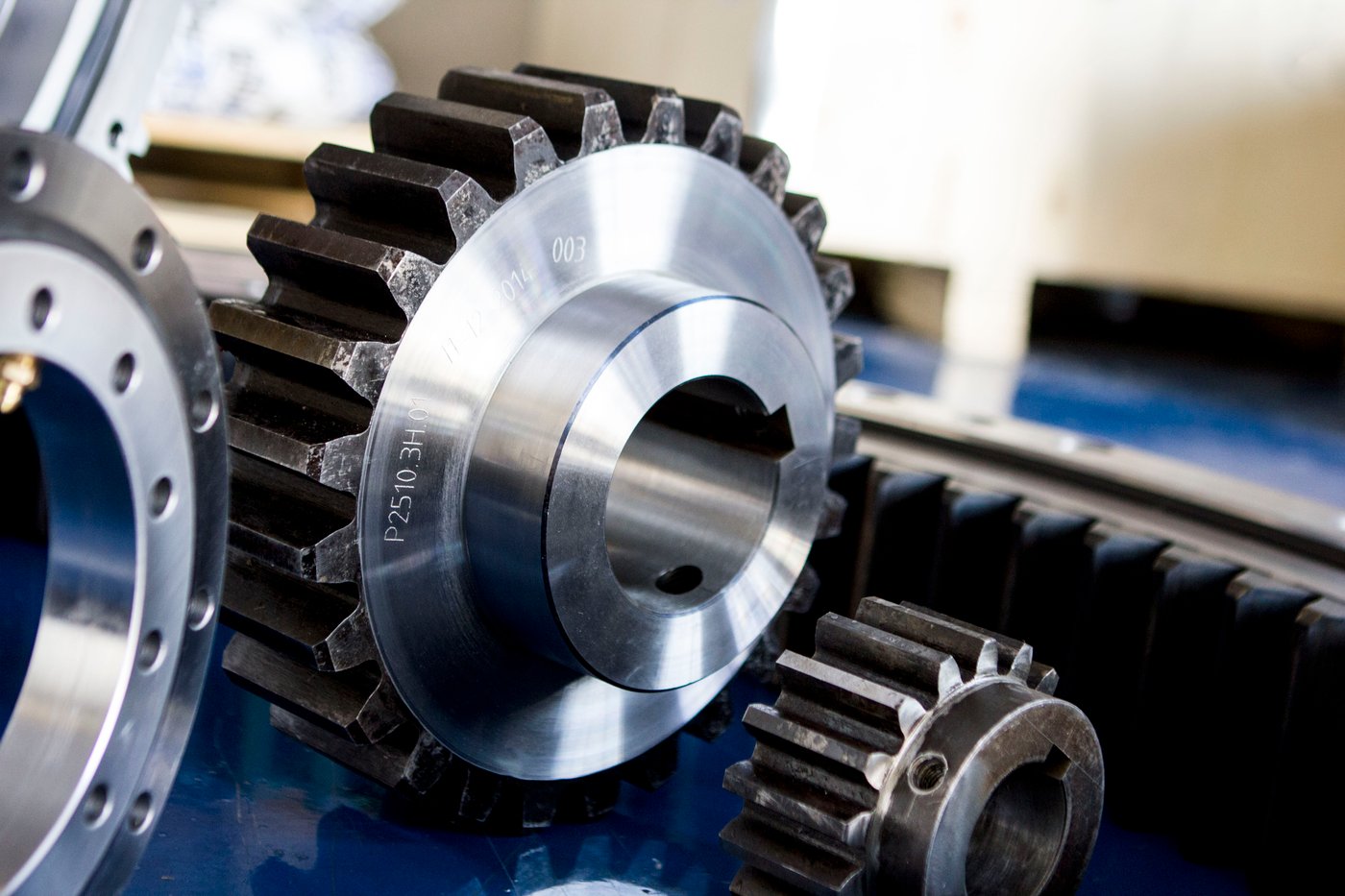
Provide structural support and rotational motion capability.
Electrical Slip Rings
Allow electrical power and signal transmission through the rotating axis.
Hydraulic or Pneumatic Rotary Unions
Enable fluid transfer for clamps, tooling, or other actuators.
Through our strategic partnership with United Equipment Accessories, we can design rotary systems that integrate these elements into a cohesive assembly.
The result is a complete rotary module engineered specifically for your machine.
Why Integrated Rotary Systems Save Automation Engineers Time and Cost
Automation integrators build highly customized systems. Engineering efficiency and reliability are critical to maintaining project timelines and profitability.
An integrated rotary system offers several advantages.
Simplified Mechanical Design
With coordinated components, engineers can design around a known interface envelope rather than solving multiple integration problems.
This reduces:
- design iterations
- mechanical packaging challenges
- commissioning risk
Reduced Engineering Time
Instead of sourcing and integrating multiple rotary components independently, integrators work with a single supplier who understands the complete rotary interface.
This accelerates:
- concept development
- machine design
- system integration
Improved Reliability
Integrated systems are designed to ensure:
- proper alignment of rotating components
- adequate clearances for wiring and fluid routing
- optimized load paths through the bearing and drive
This reduces the likelihood of installation issues or premature wear.
Increased System Capability
Integrated rotary modules can support:
- high electrical channel counts
- multiple hydraulic circuits
- heavy structural loads
- continuous rotation
This makes them ideal for demanding applications such as:
- robotic welding positioners
- automated assembly tables
- inspection stations
- robotic palletizing systems
- flexible manufacturing cells
Rotary System Design for Demanding Automation Applications
Automation equipment places unique demands on rotary systems.
Typical requirements include:
- high moment capacity
- compact envelopes
- precise rotational control
- high electrical channel counts for sensors and control systems
Our engineering team works directly with integrators to configure rotary solutions that meet these requirements while maintaining mechanical simplicity.
Because our slewing bearings and drives are built using a parametric design architecture, we can quickly configure systems for:
- different load capacities
- varying bore sizes
- specific gear configurations
- integrated slip ring and rotary union requirements
This flexibility allows us to support both standard machine platforms and custom automation systems.
SlewPro: Your Integrated Rotary Systems Partner
Automation integrators thrive when they can focus on system performance rather than component integration challenges.
By combining:
- structural rotation (slew bearings and drives)
- electrical transfer (slip rings)
- fluid transfer (rotary unions)
we help integrators simplify one of the most complex aspects of automation machine design: the rotary axis.
For companies building robotic welding systems, rotary assembly cells, or material handling automation, an integrated rotary solution can significantly reduce engineering effort while improving reliability.
Ready to Simplify Your Rotary Axis Design?
If your automation system requires a rotating interface that must support structural loads while transmitting power, signals, or hydraulic flow, our engineering team would be happy to help.
Together with United Equipment Accessories, we can design a complete rotary solution tailored to your machine.
Contact SlewPro to discuss your application and explore how integrated rotary modules can simplify your next automation project.