The heavy machinery industry stands at the threshold of its most significant technological transformation in decades. Electric powertrains are rapidly displacing traditional diesel engines and hydraulic systems across construction equipment, material handling machinery, mining vehicles, and industrial automation systems. This electrification revolution—driven by environmental regulations, operational cost considerations, and technological advancements in battery and motor technology—fundamentally changes how equipment operates and, consequently, how critical components must be designed.
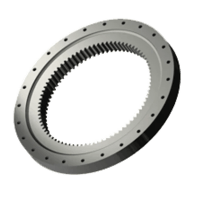
Slewing drives represent one of the most critical components affected by this transition. These precision-engineered assemblies that enable controlled rotational motion in cranes, excavators, aerial work platforms, and countless other applications must adapt to dramatically different operating characteristics when paired with electric motors rather than hydraulic or combustion-based drive systems.
The shift from hydraulic power to electric drive systems isn't simply a matter of swapping power sources while maintaining existing component designs. Electric motors deliver torque fundamentally differently than hydraulic motors. They enable precision control impossible with traditional systems. They create new thermal management challenges. They demand different performance characteristics from mechanical components throughout the drivetrain.
Understanding how electrification affects slewing drive design, performance requirements, and integration challenges is essential for equipment manufacturers navigating this transition and for operators evaluating electric equipment alternatives. This comprehensive analysis examines the multifaceted role of slewing drives in electric heavy machinery, exploring how component design must evolve to capitalize on electrification benefits while addressing new technical challenges.